
Breast Cancer Screening in the UAE: A Doctor’s Q&A
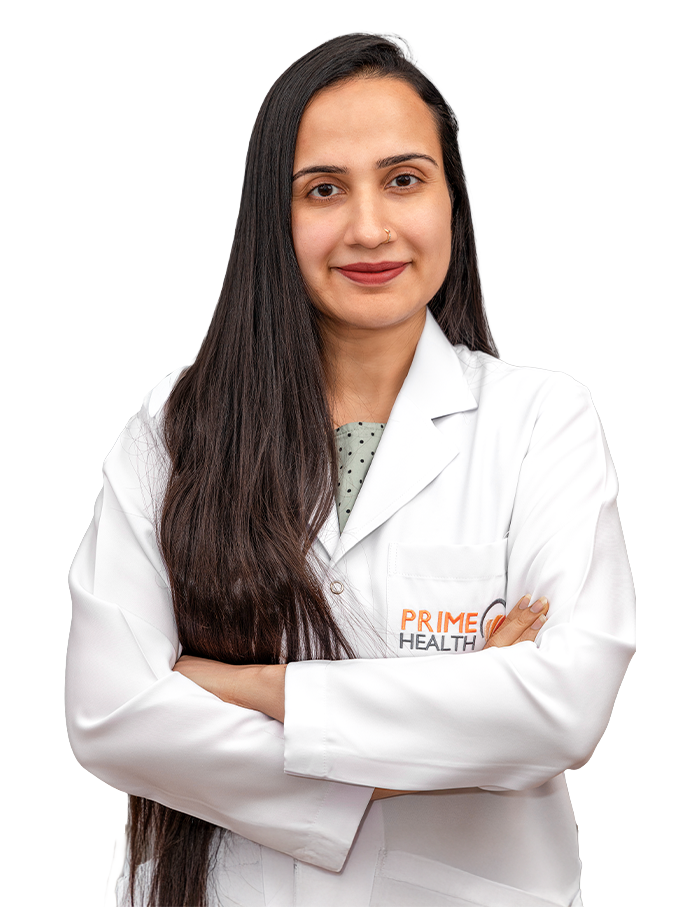
Last updated: 23 October 2026 | Breast Cancer Awareness Month Q&A with Dr Rini Kuruvilla, Specialist in Obstetrics and Gynaecology, in collaboration with Prime Healthcare Group
Short answer: Know what is normal for you and get any new or persistent breast change checked promptly, whatever your age, family history or last mammogram result. For women at average risk, UAE health authorities advise a screening mammogram every two years from age 40. If you have a strong family history or other risk factors, ask a doctor whether you need to start earlier or screen more often.
This interview provides general information and does not replace individual medical advice. Any new breast symptom needs clinical assessment, even after a recent normal mammogram.
October is Breast Cancer Awareness Month, and at Yaya Middle East we want to make it easier for our community to ask questions and make time for their health. Many of the women who use Yaya spend their days looking after other people, as mothers, nannies and housekeepers, and their own health checks are often the first thing to slip.
Marilena Hadgianni, Co-founder of Yaya, sat down with Dr Rini Kuruvilla, Specialist in Obstetrics and Gynaecology at Prime Medical Center in Dubai, to talk about the breast health questions women often put off asking. They cover the changes to look out for, the difference between screening and investigating a symptom, breast cancer screening in the UAE, and how age, family history, pregnancy and breastfeeding can affect the care you need. They also discuss the practical barriers to booking an appointment, common myths, and how families and employers can help.
The message is to know what is normal for you, seek advice about a new or persistent change, and speak with a clinician about a screening plan that fits your personal risk. At the end you will find a 50% mammogram offer for the Yaya community, valid until 31 December 2026.
Jump to: Warning signs | Pregnancy and breastfeeding | Screening in the UAE | Dense breasts and results | Cost and support | Myths and risk | Families and employers | Mammogram offer | FAQ
Why women who care for others delay breast checks
Why do so many women who care for others delay their own breast checks?
Dr Rini: Many women postpone care because of time, childcare, cost, work commitments, fear of bad news, or the hope that a change will settle on its own. Those barriers are real, but a new or persistent change should not be ignored.
Finding breast cancer early, through prompt assessment of new symptoms or appropriate screening before symptoms develop, can allow treatment at an earlier stage, when it is more likely to be effective and may involve less intensive treatment. Early detection must be followed by timely diagnosis and treatment. Outcomes vary by stage, tumour features, treatment and individual circumstances; early detection is not a guarantee of survival.
What I want women to remember: looking after yourself is part of looking after the people who depend on you. If you are worried, ask a GP, family-medicine clinician or breast service where to start.
Breast cancer warning signs: it is not only a lump
Is a lump the only sign women should watch for?
Dr Rini: Most breast changes are not cancer, but any new or persistent change should be assessed promptly. Seek medical advice for:
- A new lump or thickening in the breast or armpit.
- A change in size or shape, swelling, dimpling, redness, thickening or an orange-peel texture of the skin.
- Nipple inversion or skin change, or discharge that is not breast milk, especially spontaneous or bloody discharge.
- Persistent focal breast or nipple pain, or swollen nodes near the armpit or collarbone.
Symptoms are not a diagnosis. Breast cancer is not always painless, hard or clearly separate from surrounding tissue; a tender, soft or painful change still deserves assessment.
Breast changes during pregnancy and breastfeeding
Breasts change so much with a baby. How do I know what is normal?
Dr Rini: Pregnancy and breastfeeding do not mean a new or persistent lump should be watched without investigation. Ultrasound is usually the first imaging test in pregnancy and lactation. If a lump persists despite a negative ultrasound, or if the findings are suspicious, diagnostic mammography or tomosynthesis may be used when clinically indicated.
Mammography should not be withheld when it is needed to assess a symptom. During breastfeeding, feeding or pumping immediately beforehand can improve comfort and image quality. A clinician can explain which imaging is appropriate for your circumstances.
Routine screening and diagnostic assessment are different. Current Abu Dhabi routine-screening guidance may exclude pregnant and breastfeeding women and may advise resuming screening after breastfeeding; this should not delay assessment of symptoms. Check current local guidance and speak with a clinician rather than waiting for breastfeeding to end.
When to start breast cancer screening in the UAE
I’m young and no one in my family had it. Do I need to worry?
Dr Rini: Age and family history are only two parts of risk. Many women diagnosed with breast cancer do not have a known family history, and younger women can also develop breast cancer. Most importantly, a symptom needs assessment regardless of age or family history.
UAE public-health guidance commonly recommends mammography every two years for average-risk women from age 40, while guidance can vary by authority and individual risk. Women with significant family history, a known genetic mutation, previous chest radiotherapy, certain high-risk biopsy findings or other elevated-risk features may need earlier or annual mammography, breast MRI, genetic counselling or other specialist planning.
International guidance differs, so no single schedule is right for everyone. Ask a clinician to confirm which local recommendation and screening interval fit your risk, health history and access to care.
Mammogram, ultrasound or both: which test is right for me?
Dr Rini: The answer depends on your age, symptoms, pregnancy or breastfeeding status, breast density, previous results and overall risk. A screening mammogram looks for cancer before symptoms develop. Diagnostic imaging investigates a specific symptom or an abnormal screening result. Ultrasound is often useful for a palpable lump and in younger, pregnant or breastfeeding patients; mammography or tomosynthesis may be added when clinically indicated.
Dense breasts, mammogram results and risk assessment
What does it mean to have dense breasts?
Dr Rini: Breast density is determined on a mammogram, not by touch or breast size. Dense breasts are common. They can modestly raise breast-cancer risk and can make cancers harder to see on mammography. BI-RADS breast-composition categories C, “heterogeneously dense,” and D, “extremely dense,” are considered dense.
Breast density is separate from the BI-RADS assessment category. BI-RADS is the reporting system used for mammography, ultrasound and breast MRI:
| Category | Meaning |
|---|---|
| 0 | More imaging or comparison with earlier images is needed. |
| 1 | Negative: no abnormal finding is seen. |
| 2 | Benign: a non-cancerous finding. |
| 3 | Probably benign: short-interval follow-up is typically recommended. |
| 4 | Suspicious: a biopsy may be advised. |
| 5 | Highly suggestive of malignancy: biopsy is needed. |
Dense breasts alone do not automatically mean you need ultrasound or MRI. Supplemental imaging should follow a full risk assessment and a discussion with a clinician about possible additional detection, false positives, recalls and biopsies.
My last mammogram was normal, but I’ve noticed a change. What should I do?
Dr Rini: Book a clinical assessment. A screening result lowers concern but cannot rule out every problem, and a new symptom should not be dismissed because a previous mammogram was normal. Ask whether diagnostic imaging, rather than routine screening, is appropriate for the concern you have now.
Keep a brief note of what you noticed, when it began, whether it is changing, and any relevant pregnancy, breastfeeding, medication or family-history information. If the explanation or plan is unclear, it is reasonable to ask questions or seek a second opinion.
What is a risk assessment, and should I ask for one?
Dr Rini: A breast-cancer risk assessment is not a diagnostic test and cannot predict with certainty whether one individual will develop cancer. It helps clinicians decide whether genetic counselling, earlier screening, MRI, risk-reducing medication or other tailored care may be appropriate.
Tools such as the NCI Breast Cancer Risk Assessment Tool, also called the Gail Model, and Tyrer-Cuzick, also called IBIS, use different combinations of age, reproductive history, family history, biopsies, breast density and other information. They are useful aids, but they have limits and may be less precise for populations underrepresented in their development data.
The Gail model is not suitable as a stand-alone tool for someone with a BRCA1 or BRCA2 mutation, prior invasive breast cancer, DCIS or LCIS. Those situations need specialist genetic or high-risk assessment. Share details of breast or ovarian cancer in relatives, young diagnoses, previous chest radiation, atypical biopsy results and known genetic findings with your clinician.
Cost, insurance and support in the UAE
What if money, insurance or work hours are the problem?
Dr Rini: Start by asking a GP or family-medicine clinic what assessment is appropriate and whether a referral is needed. Check your insurer directly about benefits, authorisation, participating providers, deductibles and any exclusions; coverage varies and should not be assumed.
Pink Caravan and Friends of Cancer Patients: these are UAE education and screening-support resources connected with the Friends of Cancer Patients’ programmes. Locations, schedules and eligibility can change, so check the official current channels before relying on a particular service.
Brest Friends: this may be described as a peer-support or community resource. It can offer connection, but it is not a substitute for medical assessment, genetic counselling, oncology care or emergency advice. Confirm current contact details directly with the organisation.
If cost, transport, childcare, language or time away from work is a barrier, tell the clinic when you book. Ask what financial-support, scheduling or referral options are currently available, without assuming that a particular programme will apply to you.
What to expect at your appointment
I feel shy. What can I ask for?
Dr Rini: You can ask for a female clinician, a chaperone, an interpreter, a support person where permitted, privacy while changing and clear explanations before each part of the examination. You can write down the concern or show a photograph if describing it is difficult.
The visit may include a conversation about symptoms and history, an examination of the breasts and underarms, and imaging if needed. A biopsy is not a routine next step for everyone; it is recommended when the clinical or imaging findings indicate that a tissue sample is needed.
Breast cancer myths and what really affects risk
Women hear so many stories. What really makes a difference?
Dr Rini: Most breast-cancer risk cannot be controlled by one decision, and lifestyle changes cannot eliminate risk. It is also important not to blame yourself for a diagnosis.
Common myths:
- Deodorant and antiperspirants are not established causes of breast cancer.
- Underwired bras are not established causes of breast cancer.
- A single stressful event is not an established explanation for developing breast cancer.
- Sugar “feeding” cancer is an oversimplification; avoid unproven diets, supplements and detoxes marketed as prevention or treatment.
- A knock or injury does not cause breast cancer, although an injury can draw attention to an existing lump or cause a benign change that still needs assessment if it persists.
Evidence-based risk reduction:
- Limit or avoid alcohol; risk generally rises as alcohol intake increases.
- Be physically active and maintain a healthy weight, especially after menopause.
- Do not smoke.
- Breastfeeding may be associated with lower risk when it is possible and desired, but feeding choices should never create blame.
HRT and the contraceptive pill: combined menopausal estrogen-progestogen therapy is associated with increased breast-cancer risk, and that risk rises with duration. Estrogen-only therapy has a different risk profile and is not risk-free. Current or recent hormonal contraception is associated with a small relative increase in breast-cancer risk; the absolute increase for younger women is small, and hormonal contraception also has important benefits. Do not stop prescribed HRT or contraception without discussing options with a clinician.
How families and employers can help
How can families and employers support a woman in getting the breast care she needs?
Dr Rini: Small, practical support can remove barriers without taking control away from the woman concerned:
- Make time for appointments and help with childcare or transport if she wants it.
- Offer company for a visit, while respecting her choice about who comes and what is shared.
- Help with logistics such as checking insurer requirements, finding a clinic or arranging an interpreter.
- Employers can support access by treating health appointments respectfully and discussing practical flexibility within workplace policy.
Ask, “Would you like company or help arranging this?” rather than assuming what she needs. Privacy, consent and her own decisions should remain central.
💡 A note from Yaya for families who employ a nanny or housekeeper: paid time off for a screening appointment, and letting her know you will cover the childcare, can make the difference between a check that happens and one that keeps getting postponed.
Questions to ask your doctor about breast cancer screening
What is the question women rarely ask?
Dr Rini: “What is my personal risk, and does my screening plan match it?” This is a useful question for any woman in the UAE. Your plan may depend on age, family history, genetic findings, previous biopsies, chest radiotherapy, breast density, symptoms and personal preferences.
Ask your clinician:
- What is my risk level, and which factors are driving it?
- What breast-composition category was reported on my mammogram, if I have had one?
- When should I have my next screening examination?
- Would genetic counselling, MRI, earlier screening or another specialist review be appropriate?
The UAE schedule commonly used for average-risk women is mammography every two years from age 40, but local guidance and individual risk can change the plan. Confirm the recommendation with a qualified clinician and check current guidance from the relevant health authority.
If a reader does one thing after this interview, what should it be?
Dr Rini: Learn what is normal for you, and arrange prompt clinical assessment for any new or persistent change. Ask about your personal risk and whether your screening plan fits it. If you are pregnant, breastfeeding, young, have no family history or recently had a normal mammogram, those facts should not be used as a reason to delay assessment of a new symptom.
If someone you trust is putting off care, offer practical support without pressure. Encourage appropriate medical advice, not self-diagnosis, and remember that early detection followed by timely diagnosis and treatment can improve outcomes without guaranteeing the same result for every person.
About Dr Rini Kuruvilla
Dr. Rini Kuruvilla is a specialist in obstetrics and gynaecology at Prime Medical Center in Dubai, with 10 years of experience across India and the UAE. Her expertise spans women’s health at every life stage, including reproductive health, pregnancy care, menopause, and cancer screening and diagnosis.
Yaya mammogram offer in Dubai: AED 325
Yaya, in collaboration with Prime Healthcare Group, is offering our community 50% off a Mammogram Package, available until 31 December 2026.
| Offer detail | What you need to know |
|---|---|
| Yaya rate | AED 325 instead of AED 650 |
| Includes | A mammogram, with the report sent to the email address provided at registration |
| Not included | Consultations, additional scans and follow-up appointments |
| Location | Premier Diagnostic Center, Reef Mall, Deira, Dubai |
| Validity | Until 31 December 2026 |
| How to book | Email aliza@premierdiagnostics.ae and mention Yaya when booking |
Please confirm clinical eligibility and any referral requirements with the centre when booking. If you have a new or persistent breast symptom, ask the centre about the appropriate clinical assessment rather than waiting for routine screening.
The offer is open to all Yaya readers. You do not need a Yaya account to book. Looking for a trusted nanny or caregiver? Download the Yaya app.
Frequently Asked Questions
At what age should women in the UAE start breast cancer screening?
For average-risk women, UAE guidance commonly recommends a mammogram every two years from age 40. Women with a significant family history, a known genetic mutation or other higher-risk features may need earlier or more frequent screening, so ask a clinician about your personal plan.
What are the warning signs of breast cancer apart from a lump?
Changes in breast size or shape, swelling, dimpling, redness or orange-peel skin, nipple inversion, discharge that is not breast milk, persistent focal pain, and swollen nodes near the armpit or collarbone. Most changes are not cancer, but any new or persistent change should be checked.
Can I have a mammogram while breastfeeding?
Yes, if it is needed to assess a symptom. Ultrasound is usually the first imaging test during pregnancy and breastfeeding, and diagnostic mammography may be used when clinically indicated. Feeding or pumping just before the scan can improve comfort and image quality.
My last mammogram was normal. Do I still need to get a new change checked?
Yes. A screening result cannot rule out every problem. Book a clinical assessment and ask whether diagnostic imaging is appropriate.
What does dense breast tissue mean?
Breast density is determined on a mammogram. BI-RADS categories C and D are considered dense. Dense breasts are common, can modestly raise risk and can make cancers harder to see, but they do not automatically mean you need extra scans.
How much does the Yaya mammogram offer cost?
AED 325 instead of AED 650 at Premier Diagnostic Center, Reef Mall, Deira, until 31 December 2026. It covers the mammogram and report only. Email aliza@premierdiagnostics.ae and mention Yaya to book.
Key Takeaways
- Most breast changes are not cancer, but any new or persistent change needs prompt assessment, at any age.
- A lump is not the only sign. Watch for skin, shape, nipple and armpit changes too.
- Average-risk women in the UAE are commonly advised to have a mammogram every two years from 40. Higher-risk women may need more.
- Pregnancy, breastfeeding or a recent normal mammogram is not a reason to delay checking a new symptom.
- Ask your clinician: what is my personal risk, and does my screening plan match it?
- Families and employers can help with time, childcare and transport, on her terms.
Published October 2026. Q&A answers written by Dr Rini Kuruvilla. UAE screening guidance cross-checked on 23 October 2026 against the Dubai Periodic Health Screening Guideline (DHA) and the Abu Dhabi Department of Health Standard for Breast Cancer Screening and Diagnosis. Other references: WHO, ACR BI-RADS, ACOG, National Cancer Institute, and Friends of Cancer Patients/Pink Caravan. This article is general information, not medical advice. Speak to a qualified clinician about your own situation, and confirm offer details and eligibility directly with the provider.